What is Closed Cell Spray Foam
What is Closed Cell Spray Foam
What Is Closed Cell Spray Foam?
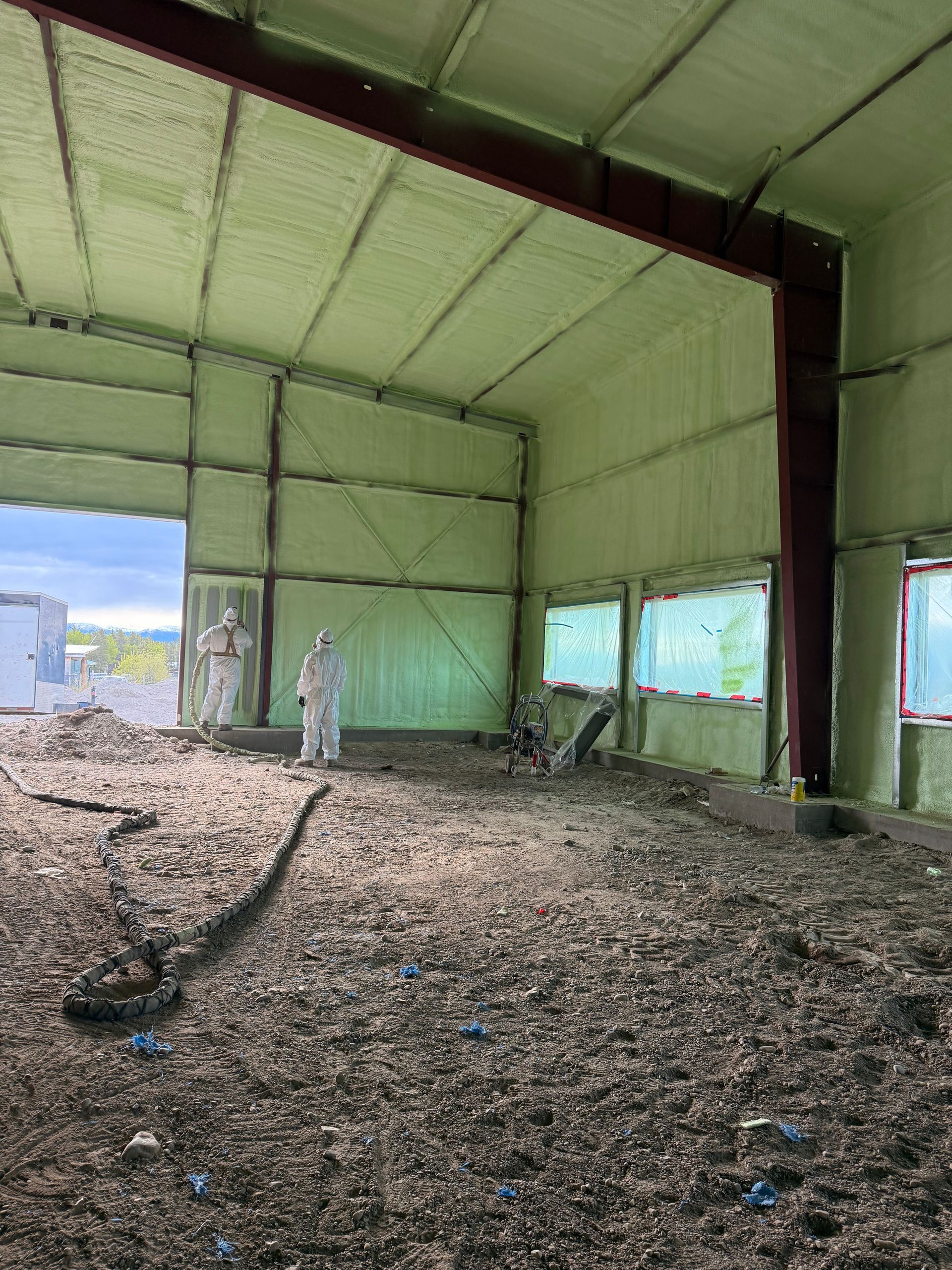
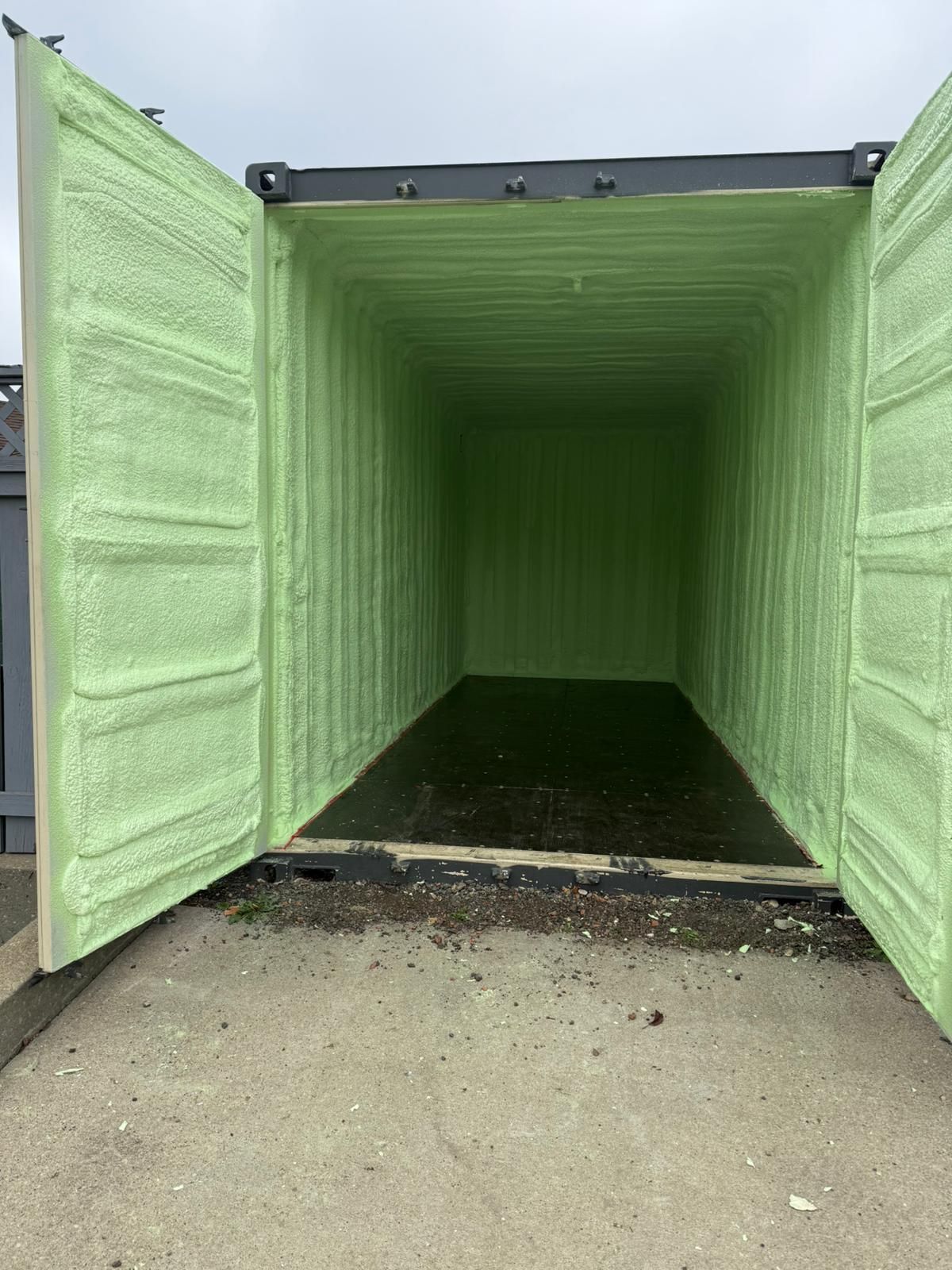
Closed cell spray foam is a rigid, dense insulation material made from tiny, tightly packed cells that don't allow air or moisture to pass through. It's sprayed as a liquid, expands on contact, and cures into a solid layer that acts as insulation, an air barrier, and a vapor barrier all at once.Here's what that actually means for a home, and where closed cell makes the most sense to use.
How Closed Cell Spray Foam Is Different
The name comes from its cell structure. Under magnification, closed cell foam looks like a tightly packed honeycomb where each cell is fully sealed shut. That structure is what gives it three properties that set it apart from other insulation types:
- High R-value per inch — roughly double what open cell spray foam offers, so less material is needed to hit the same thermal performance
- Built-in vapor barrier — moisture can't pass through the cured foam, which matters in areas prone to condensation
- Structural rigidity — closed cell foam adds real stiffness to the surface it's applied to, which can improve a wall or roof assembly's resistance to racking
Open cell spray foam, by comparison, has cells that are intentionally left open, making it lighter, more flexible, and better at sound dampening — but without the vapor barrier or the same R-value per inch.
Where Closed Cell Spray Foam Works Best
Closed cell is typically used in spaces where moisture control and maximum insulating power per inch matter most:
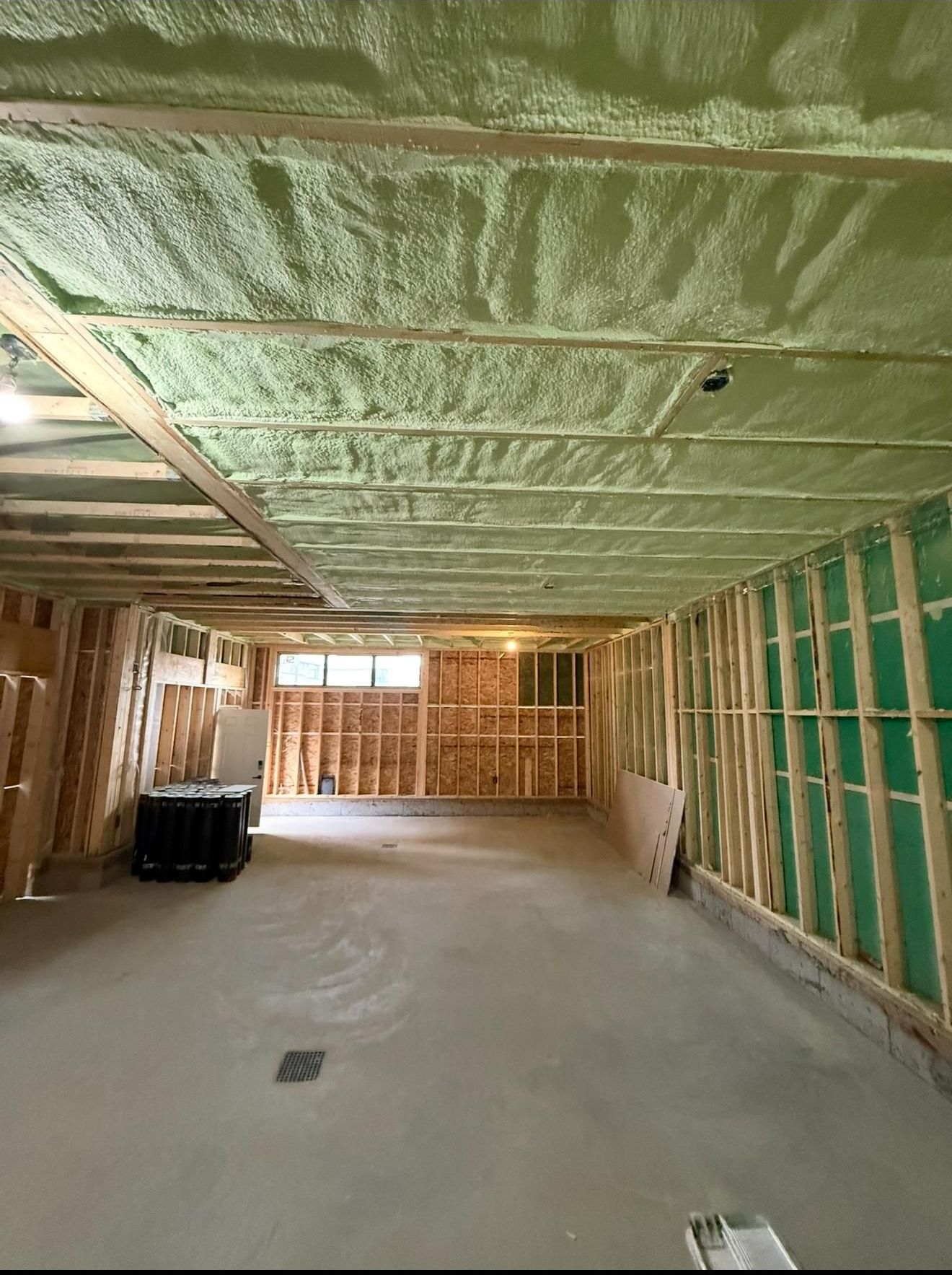
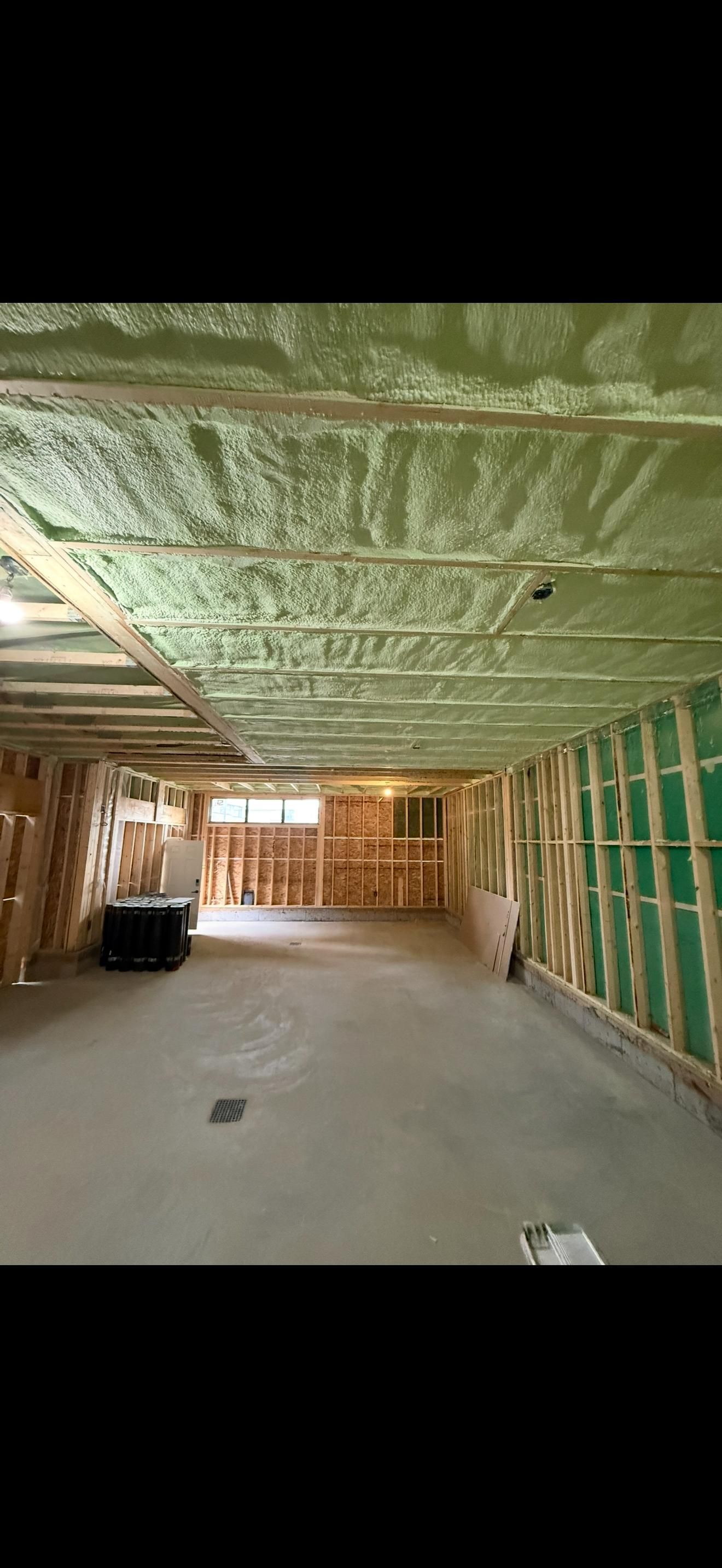
- Rim joists — a common source of air leakage and moisture in basements
- Basement walls — where ground moisture and freeze-thaw cycles are a factor
- Roof decks and cathedral ceilings — where space is limited and higher R-value per inch counts
- Exterior walls in cold climates — where both air sealing and vapor control matter
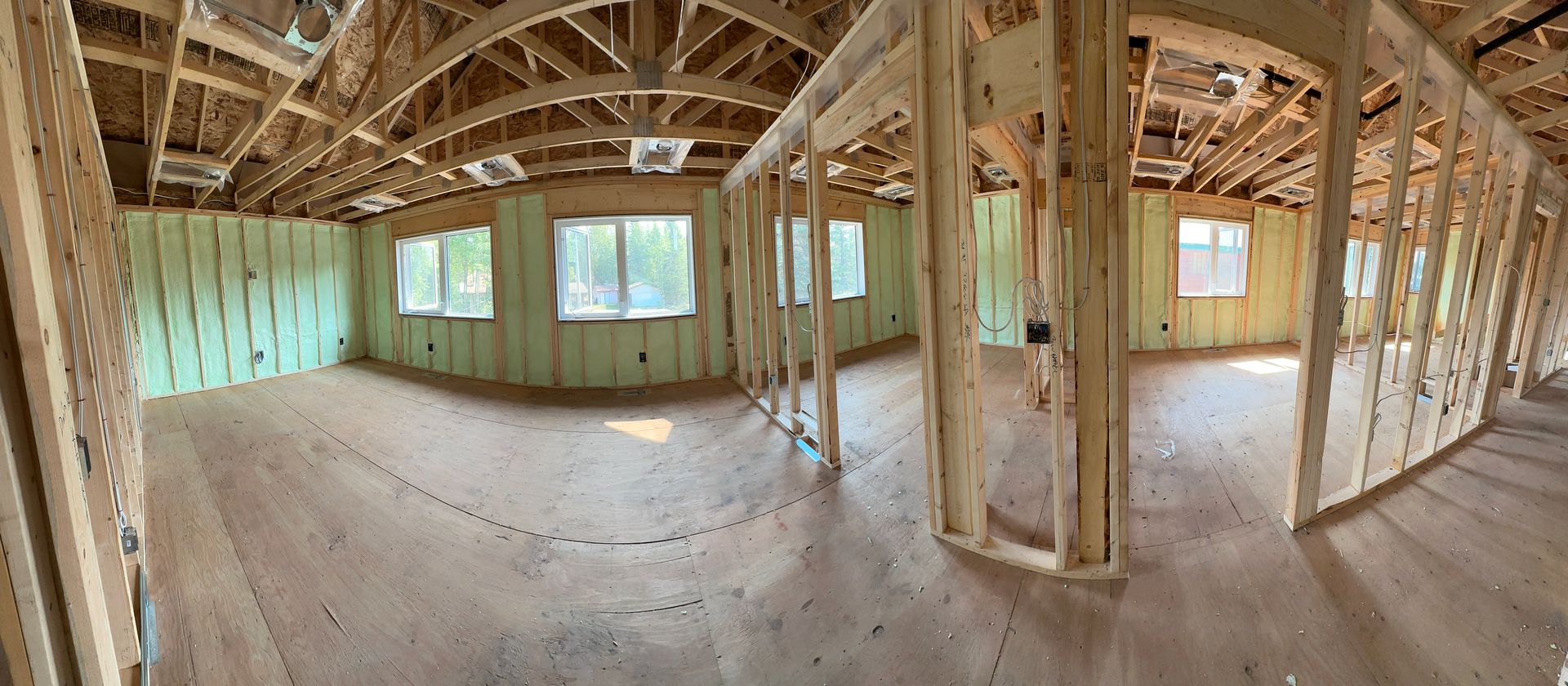
It's less commonly used across entire interior wall cavities in a full build, since open cell foam can do that job at a lower cost where a vapor barrier isn't the priority.
Is Closed Cell Spray Foam Worth the Extra Cost?
Closed cell foam costs more per square foot than open cell, or Batt & Poly systems, largely due to material density and the equipment required to apply it. The extra cost is generally worth it in spaces where moisture is a real risk or where space is tight and higher R-value per inch is needed to meet performance targets, rim joists and basements being the clearest examples.
For interior walls without moisture concerns, open cell foam often delivers similar comfort improvements at a lower cost, which is why most spray foam projects use a mix of both rather than closed cell everywhere.
If you're not sure which type of spray foam makes sense for your project, the Aires team is easy to reach. No hard sell, just straight answers based on what your space actually needs.